


The Transformation of Victoria Island: A Legacy of Land Reclamation
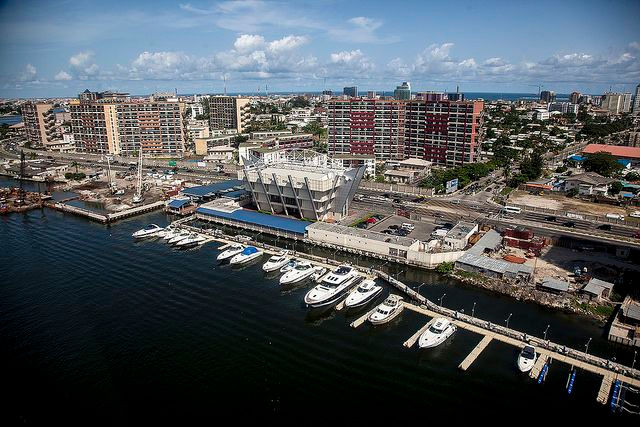
Victoria Island (VI) is often celebrated as the crown jewel of Lagos, but its current geography is a significant departure from its original form. Historically, it was a low-lying island bordered by the Atlantic Ocean, the Lagos Lagoon, and Five Cowrie Creek. In the mid-20th century, the British colonial government initiated reclamation projects primarily to eliminate the swampy areas that served as breeding grounds for mosquitoes. This strategic environmental move effectively converted vast stretches of marshland into solid ground, laying the foundation for what would become an elite residential and commercial hub.

The reclamation process was not just about sanitation but also about urban expansion. In 1948, the Lagos Executive Development Board (LEDB) acquired significant portions of land from the Oniru royal family for development. This led to the sand-filling of the eastern swamps, which created a permanent land bridge between Victoria Island and the Lekki Peninsula. By closing the water gap that once separated these areas, the "island" status became more symbolic than literal, transforming VI into a peninsula that could accommodate the growing needs of Nigeria’s burgeoning administrative capital.
Today, Victoria Island stands as the primary financial and business district of Nigeria. It hosts the headquarters of major multinational corporations, global banks, and numerous diplomatic consulates. The infrastructure that supports these institutions sits atop reclaimed land that has been meticulously engineered to support high-rise skyscrapers and luxury residential towers. This evolution has made VI one of the most expensive real estate markets in Africa, symbolizing the economic aspirations of the Lagos megacity.
The reclamation legacy continues with the ambitious Eko Atlantic City project, which is being built on 10 million square meters of land reclaimed from the Atlantic Ocean directly adjacent to Victoria Island. This "Great Wall of Lagos" serves a dual purpose: it creates a modern, sustainable city and acts as a massive sea defense system to prevent the coastal erosion that once threatened the Bar Beach shoreline. This project is a modern-day extension of the same engineering philosophy that first shaped Victoria Island decades ago.

Despite its prestige, the reclaimed nature of Victoria Island presents ongoing environmental challenges. Being situated on a peninsula with a low elevation makes the area susceptible to flooding during heavy tropical rains and Atlantic Ocean surges. Consequently, the Lagos State government and private developers continue to invest in sophisticated drainage systems and shoreline protection to ensure that this reclaimed miracle remains a resilient pillar of the Nigerian economy for generations to come.


Comments