


The Rise of Urban Gardening in Lagos
- Nov 11, 2025
- 2 min read
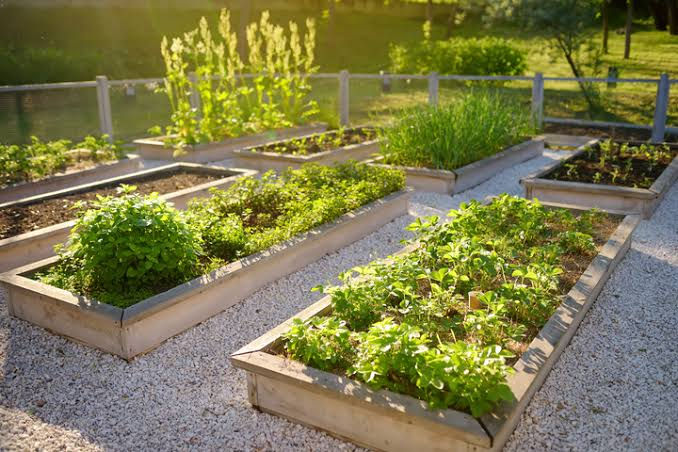
Urban gardening is transforming the way Lagosians connect with food, sustainability, and community. As Nigeria’s most populous city, Lagos faces challenges such as rapid urbanization, limited green spaces, and food insecurity. Urban gardening has emerged as a solution, turning rooftops, vacant lots, and small balconies into productive spaces that provide fresh vegetables, herbs, and even small-scale livestock. Beyond food production, this movement fosters environmental awareness, community engagement, and economic opportunities.

In recent years, urban gardening has gained significant traction in Lagos. Rising awareness about the benefits of locally grown produce, coupled with the need for sustainable lifestyles, has encouraged both individuals and organizations to embrace this trend. Initiatives range from community gardens in neighborhoods like Lekki and Surulere to commercial rooftop farms that supply restaurants and households with fresh produce.
Benefits of Urban Gardening
1. Food Security: Urban gardening provides a reliable source of fresh vegetables, fruits, and herbs, reducing dependence on long supply chains and expensive imports.
2. Environmental Impact: These gardens help combat urban heat, improve air quality, and promote biodiversity. They also reduce carbon footprints by cutting transportation-related emissions.
3. Economic Opportunities: Urban gardening can generate income through the sale of fresh produce, organic fertilizers, or gardening workshops. Startups like FreshDirect and GreenHouse Farms are leveraging this potential.
4. Community and Social Engagement: Urban gardens foster social cohesion, encouraging neighbors to collaborate, share knowledge, and participate in sustainability initiatives.
Popular Types of Urban Gardening in Lagos
Rooftop Gardens: Utilizing rooftops of homes, offices, and commercial buildings to grow vegetables, fruits, and medicinal plants.
Vertical Farming: Maximizing limited spaces by growing crops vertically using hydroponics and container systems.
Community Gardens: Shared spaces where local residents collectively grow food, promoting education, nutrition, and community participation.
Home Gardens: Small-scale gardening in balconies, backyards, and windowsills for personal consumption.
Urban gardening in Lagos faces challenges such as limited space, irregular water supply, high costs of equipment, and inadequate knowledge of modern gardening techniques. However, these obstacles are being addressed through innovative solutions like:
Water-efficient irrigation systems
Affordable hydroponics kits
Training programs and workshops by NGOs and urban farming startups

Startups and community initiatives are leading the way. For instance, Grow Lagos focuses on rooftop vegetable farming, supplying organic produce to restaurants, while Urban Harvest Nigeria promotes vertical and hydroponic systems in schools and communities. These projects highlight how urban gardening can thrive in a densely populated city.
Urban gardening is poised to become an integral part of Lagos’ urban landscape. With increasing awareness of health, nutrition, and climate resilience, more residents are likely to adopt gardening practices. Collaboration between government, private sector, and community initiatives will be crucial in providing spaces, resources, and technical support.
The rise of urban gardening in Lagos represents a shift toward sustainability, self-reliance, and community empowerment. Beyond producing food, it is reshaping urban lifestyles, creating economic opportunities, and promoting environmental stewardship. As the movement grows, Lagos could serve as a model for other African cities, demonstrating how urban gardening can address modern urban challenges while enriching communities.


Comments