


The Architectural Legacy of the National Arts Theatre
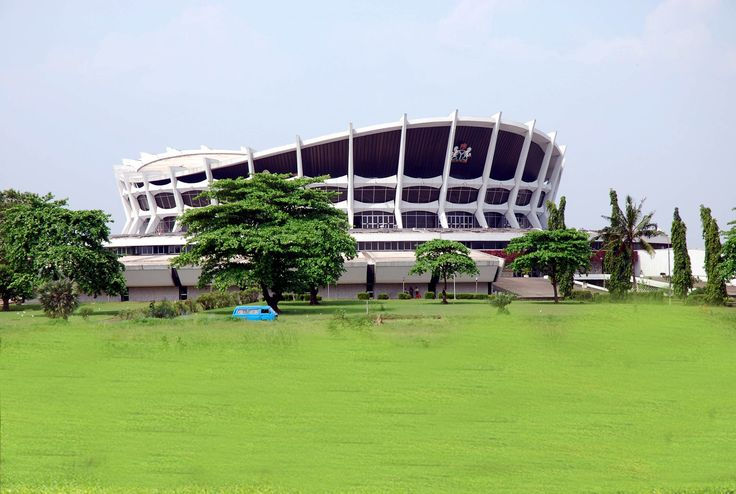
The National Arts Theatre in Iganmu, Lagos, stands as an architectural marvel and the definitive primary center for the performing arts in Nigeria. Constructed during the military regime of General Olusegun Obasanjo, its most striking feature is its unique structural design, which was purposefully shaped to resemble a military officer’s peak cap. This bold aesthetic choice was not merely a nod to the governing body of the time but served as a symbol of authority, pride, and the disciplined emergence of a modern Nigerian state. Spread across an expansive 23,000 square meters, the exterior remains one of the most recognizable silhouettes in the West African skyline.

The genesis of this landmark was deeply tied to the Second World Black and African Festival of Arts and Culture, popularly known as FESTAC '77. Nigeria sought to create a world-class venue capable of hosting thousands of global visitors and showcasing the immense diversity of Black heritage. To achieve this, the government commissioned a Bulgarian construction firm to build the complex, modeling it after the Palace of Culture and Sports in Varna, Bulgaria. However, the Lagos version was scaled significantly larger, incorporating state-of-the-art technology for the era to ensure it could serve as the "beating heart" of the historic festival.
Internally, the National Arts Theatre was designed with multifunctional excellence in mind, housing a main hall that could seat over 5,000 people. This central auditorium featured a collapsible stage and an intricate system of light and sound that was revolutionary for 1970s Africa. Beyond the main bowl, the complex includes two cinema halls, a world-class restaurant, and a lush botanical garden. These facilities were curated to ensure that the theatre was not just a monument to be admired from afar, but a living, breathing space where film, drama, and visual arts could flourish simultaneously.
For decades, the theatre has served as more than just a venue; it is a repository of Nigeria’s post-independence cultural memory. During FESTAC '77, it hosted performers and intellectuals from over 50 nations, cementing Lagos as the global capital of Black excellence. In the years following, it became the premier site for the Nigerian movie industry’s early premieres and hosted legendary stage plays that defined a generation. The grandeur of the building reflected the "Oil Boom" era’s optimism, signaling to the world that Nigeria was a nation of immense cultural wealth and artistic sophistication.

In recent years, the National Arts Theatre has embarked on a journey of rebirth through extensive renovations aimed at restoring its former glory. As part of a massive urban renewal project, the surrounding areas are being transformed into a "Creative Hub" to support young entrepreneurs in fashion, music, and technology. This modernization ensures that the "Military Cap" of Iganmu remains a relevant landmark for the 21st century. By preserving its historic facade while upgrading its internal infrastructure, Nigeria ensures that this architectural giant will continue to shelter and inspire artists for decades to come.


Comments