


10 Historic Streets in Lagos Every Resident Should Know
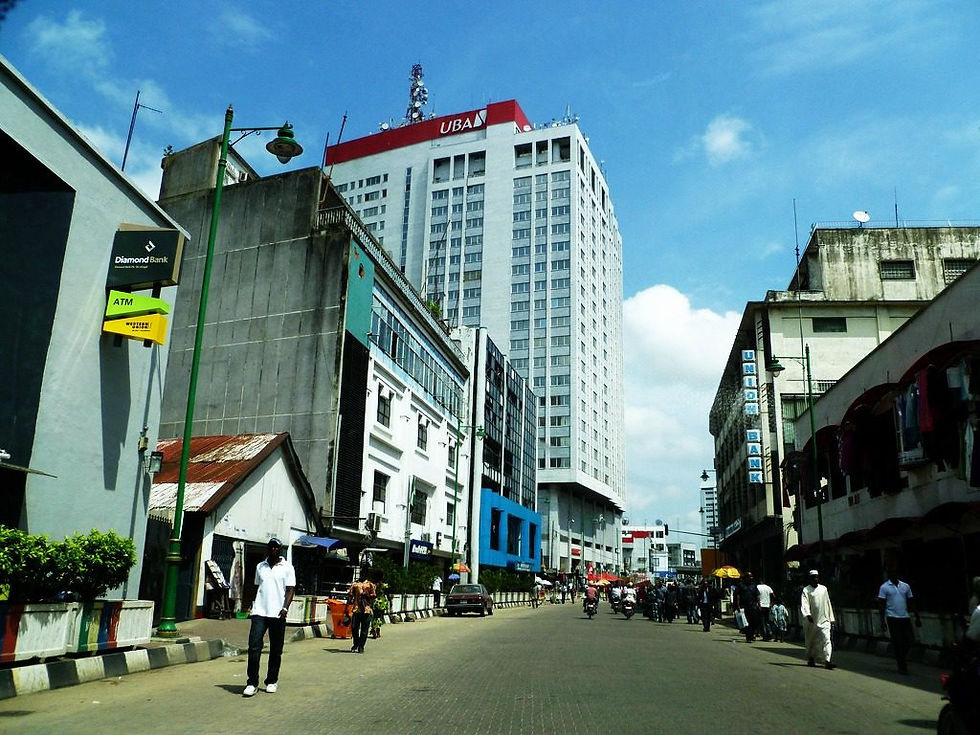
Lagos is a city of constant movement, towering skyscrapers, bustling markets, and modern developments. Yet beneath the fast-paced lifestyle lies a rich history preserved in its streets. Some of Lagos' roads have witnessed colonial administration, the rise of commerce, political milestones, and the evolution of communities that shaped the city into what it is today.
Whether you are a lifelong resident or a newcomer to Nigeria's commercial capital, these historic streets offer a fascinating glimpse into Lagos' past.
1. Broad Street
One of the oldest and most significant roads in Lagos, Broad Street was the commercial and administrative heart of colonial Lagos. Located on Lagos Island, it housed government offices, banks, and trading establishments during the colonial era.
Today, many historic buildings still stand along the street, serving as reminders of Lagos' early role as a center of trade and governance.
2. Marina
Stretching along the Lagos waterfront, Marina remains one of the city's most iconic roads. During the colonial period, it was home to major government institutions and trading companies.
The street features several historic landmarks and offers a unique blend of old architecture and modern commercial activity. Marina also provides stunning views of the Lagos Lagoon.
3. Tinubu Square Road
Named after the influential merchant and political figure Madam Efunroye Tinubu, this area played a crucial role in Lagos' commercial development during the nineteenth century.
The square and surrounding streets served as gathering points for traders, political discussions, and social activities, making it one of Lagos' most historically important locations.
4. Bamgbose Street
Located on Lagos Island, Bamgbose Street is named after Reverend Mojola Agbebi Bamgbose, a prominent religious leader and advocate for African-led churches.
The street reflects the city's rich religious and educational heritage and remains an important part of Lagos Island's historic landscape.
5. Campbell Street
Campbell Street is one of the oldest streets in Lagos and has long been associated with commerce and entrepreneurship. It became a major business corridor during the colonial period and remains a busy commercial area today.
Many generations of traders have operated businesses along this historic road.

6. Nnamdi Azikiwe Street
Formerly known as Victoria Street, this road was renamed in honor of Nigeria's first President, Dr. Nnamdi Azikiwe. The street has played a significant role in Lagos' commercial history and continues to be one of the busiest trading routes on Lagos Island.
Its transformation mirrors Nigeria's journey from colonial rule to independence.
7. Kakawa Street
Kakawa Street is deeply connected to Nigeria's financial history. The street became home to some of the country's earliest banking institutions and commercial enterprises.
Walking through the area offers a glimpse into the foundations of Nigeria's modern financial sector.
8. Iga Idunganran Street
Situated in the heart of Isale Eko, this historic street leads to the Iga Idunganran Palace, the official residence of the Oba of Lagos.
The area is rich in Yoruba heritage and remains a cultural and traditional center for the indigenous people of Lagos.
9. Balogun Street
Today, Balogun Street is famous for its bustling market activities, but its significance goes beyond commerce. The area has served as a major trading hub for generations and reflects Lagos' longstanding reputation as a center for business and entrepreneurship.
The street tells the story of how trade helped shape the city's identity.
10. Catholic Mission Street
This historic street is closely tied to the arrival of Christian missionaries in Lagos during the nineteenth century. Several early religious institutions and educational establishments were located here.
The road played an important role in spreading Western education and Christianity throughout Lagos and beyond.
Preserving Lagos' History Through Its Streets
The streets of Lagos are more than transportation routes; they are living records of the city's evolution. From colonial administration and traditional leadership to commerce, religion, and political change, these roads have witnessed some of the most defining moments in Lagos' history.
As the city continues to expand and modernize, preserving the stories behind these historic streets becomes increasingly important. Understanding their significance helps residents appreciate the rich heritage that lies beneath the surface of Africa's largest city.
The next time you walk or drive through Lagos Island, take a moment to look beyond the traffic and buildings. You may just be traveling through a piece of history.


Comments